Groenberg rooftop tents
Roof tents for every car
From the ultralight WEEKEND for small cars and EVs to the hard shell roof tent that stays on your roof: Groenberg offers three types of rooftop tent with very different strengths. Which one fits your car depends above all on the roof load. You'll find the comparison, roof load check and buying advice below the products.
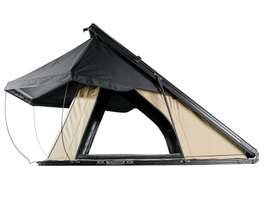
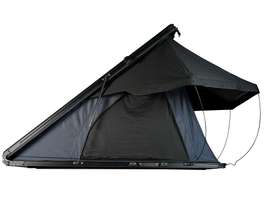
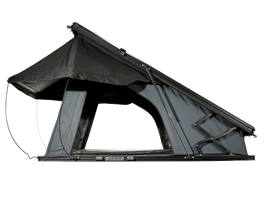
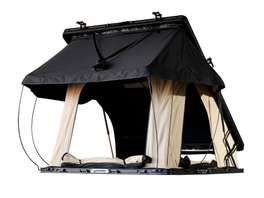
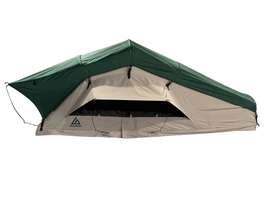

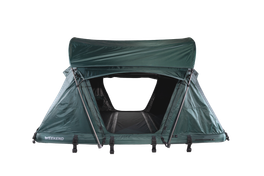
Three types of roof tent: which one suits you?
Lightweight, hard shell or soft top: the three types differ mainly in whether the tent stays on the roof while you drive and how much space it offers.
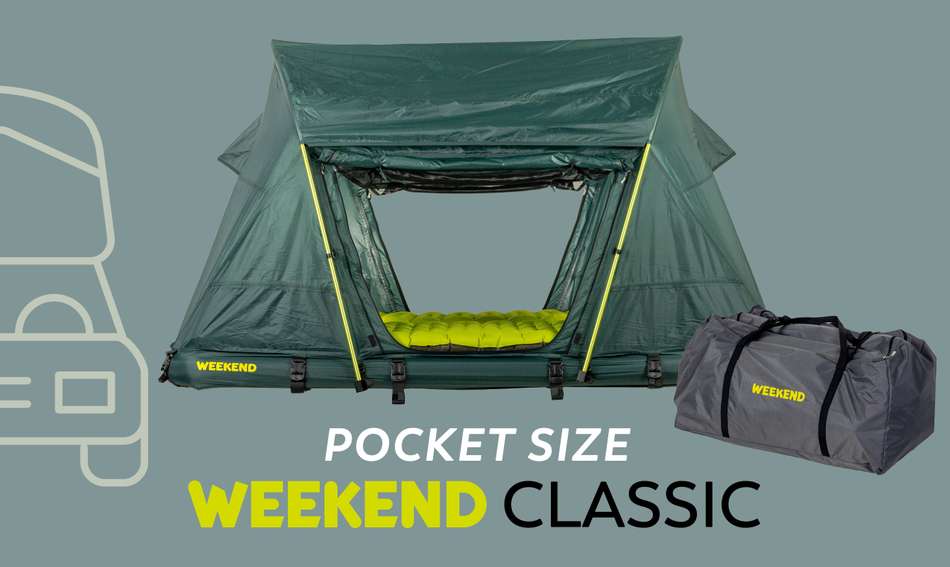
Lightweight · inflatable
WEEKEND Classic & Comfort
The roof tent for cars with a low roof load. You set it up on the ground, lift it onto the roof as one unit and pack it away again before you drive.
While driving – travels packed in the boot
Setup – on the ground, then lift onto the roof
At home – fits in a cupboard when packed
Ideal for – small cars, EVs, city life, spontaneous trips
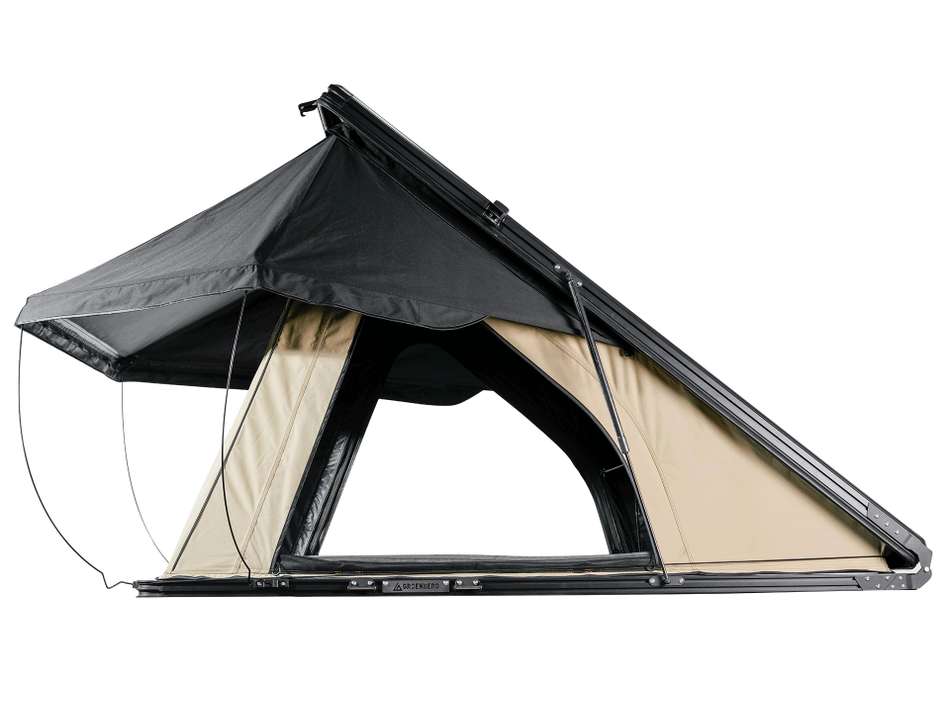
Hard shell · aluminium
Alvar & Tjelvar
Hard shell roof tents that stay on your roof. STABILUS gas struts lift the aluminium shell, and your tent is up in seconds.
While driving – stays mounted, 12 cm flat when closed
Setup – semi-automatic with gas struts
At home – stays on the car
Ideal for – road trips, frequent camping

Soft top · fold-out
Halvor 160
The fold-out roof tent with the largest sleeping area in our range, for two to three people. Expandable with annex and tarp.
While driving – stays mounted, folded
Setup – fold out with the ladder
Sleeping area – 235 × 155 cm
Ideal for – couples with a child, plenty of sleeping space
Buying a roof tent: all Groenberg models compared
All roof tents at a glance. The most important column is the roof load: it decides which model fits your car.
| Model | Type | People | Weight | Sleeping area | Roof load while driving |
|---|---|---|---|---|---|
| WEEKEND Classic | lightweight, inflatable | 2 | 11.5 kg tent | 220 × 130 cm | none, travels packed* |
| WEEKEND Comfort | lightweight, inflatable | 2 | 13 kg tent | 220 × 130 cm | none, travels packed* |
| Alvar | hard shell | 2 | 77 kg (excl. ladder) | 196 × 119 cm | min. 77 kg + roof bars |
| Tjelvar | hard shell | 2 | 77 kg (excl. ladder) | 196 × 119 cm | min. 77 kg + roof bars |
| Halvor 160 | soft top | 2–3 | 71 kg (incl. ladder) | 235 × 155 cm | min. tent weight + roof bars** |
* For the WEEKEND only the static roof load at your pitch counts. ** Check the value for your car in the roof load finder.
Which roof tent suits you? Four questions
Answer these four questions and the choice is usually clear.
Roof load
What can your roof carry while driving?
If your car's dynamic roof load minus the bars is below 77 kg, the WEEKEND is the one: it doesn't travel on the roof.
Check your roof load →Frequency
How often are you on the road?
Out often and for longer: a hardtop stays mounted and opens in seconds. Mostly at weekends: the WEEKEND only occupies the roof at your pitch.
People
How many sleep up top?
All models fit two. With a child, or if you want more space, the Halvor 160 offers room for two to three.
At home
Where do you store the tent?
No garage and little space? The WEEKEND fits in a cupboard when packed. Hardtop and soft top usually stay on the car.
Roof load: the key figure when buying a roof tent
Your vehicle documents or manual state the dynamic roof load: the weight allowed on the roof while driving. For many cars it's between 50 and 100 kg. Subtract the weight of your roof bars, and the rest has to cover a roof tent that stays mounted while you drive.
The static roof load applies when parked and is usually much higher, because the roof also has to withstand a rollover. It counts once the tent is set up and you sleep in it.
Many small cars and EVs only have a low dynamic roof load. That's who the WEEKEND is made for: it never travels on the roof, so only the static roof load at your pitch counts.
Roof load table with 100+ cars in the roof load finder →
Important
For hardtop and soft top, the tent, your roof bars and anything else on the roof all count together. The total must not exceed your vehicle's dynamic roof load.
Roof tent or ground tent?
A roof tent is more than a tent in a different place. Here's what speaks for it and what to keep in mind.
What speaks for it
Advantages of a roof tent
You sleep above wet ground, mud and uneven terrain.
The mattress is always with you, no inflating sleeping mats in the evening.
Quick setup: hardtops are up in seconds, the WEEKEND in a few moves.
A clear view of your surroundings, with the WEEKEND Comfort even through the SkyView roof.
What to keep in mind
What to check beforehand
The roof load of your car and bars must match the tent.
You need a ladder to climb in; with the WEEKEND Stage you don't.
A mounted tent adds drag and vehicle height, for example in multi-storey car parks.
Hardtop and soft top need several people for mounting.
Accessories for your roof tent
More space in front of the tent, warmer nights or sleeping without a car at all: there are matching accessories for every Groenberg roof tent.
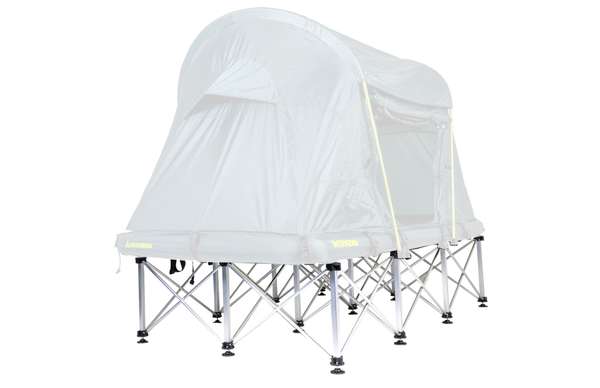
For WEEKEND
WEEKEND Stage
Raises your WEEKEND to approx. 50 cm bed height: camping without a car and without a ladder.
Surface – 192 × 130 cm
Weight – 9 kg

For Alvar & Tjelvar
Thermo Inner Tent
An extra insulating layer inside the tent for more comfort on cooler nights.
Fits – one model each for Alvar and Tjelvar

For Halvor 160
Skyd Tarp
Sun and rain protection in front of the Halvor 160, with more space for sitting and cooking.
Size – approx. 3 × 2.4 m
Guides around the roof tent
Practical know-how for choosing and stories for every way of travelling.
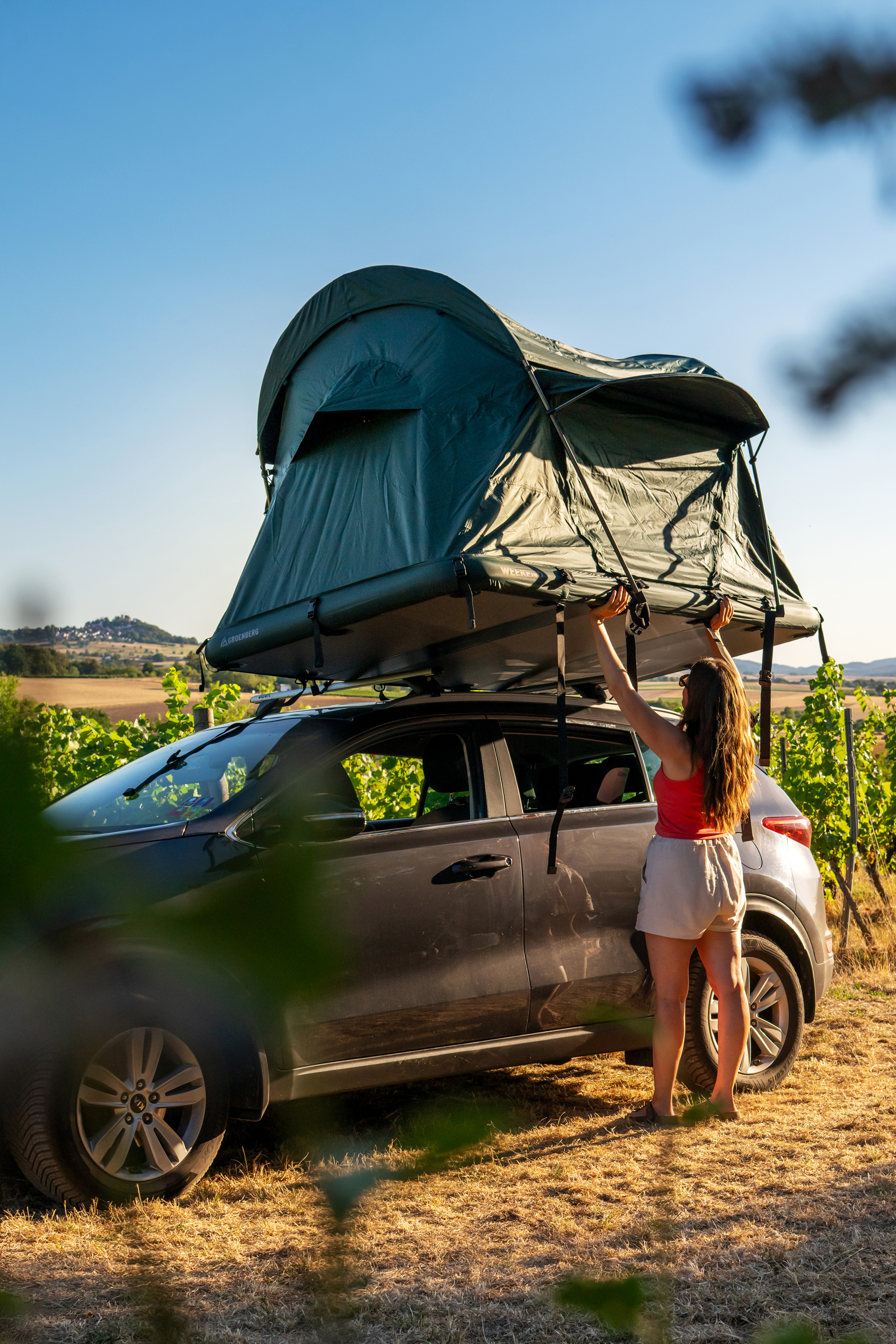
Small cars & EVs
Rooftop tent for small cars
Low roof load, still a roof tent: here's how it works on small cars too.
Read article →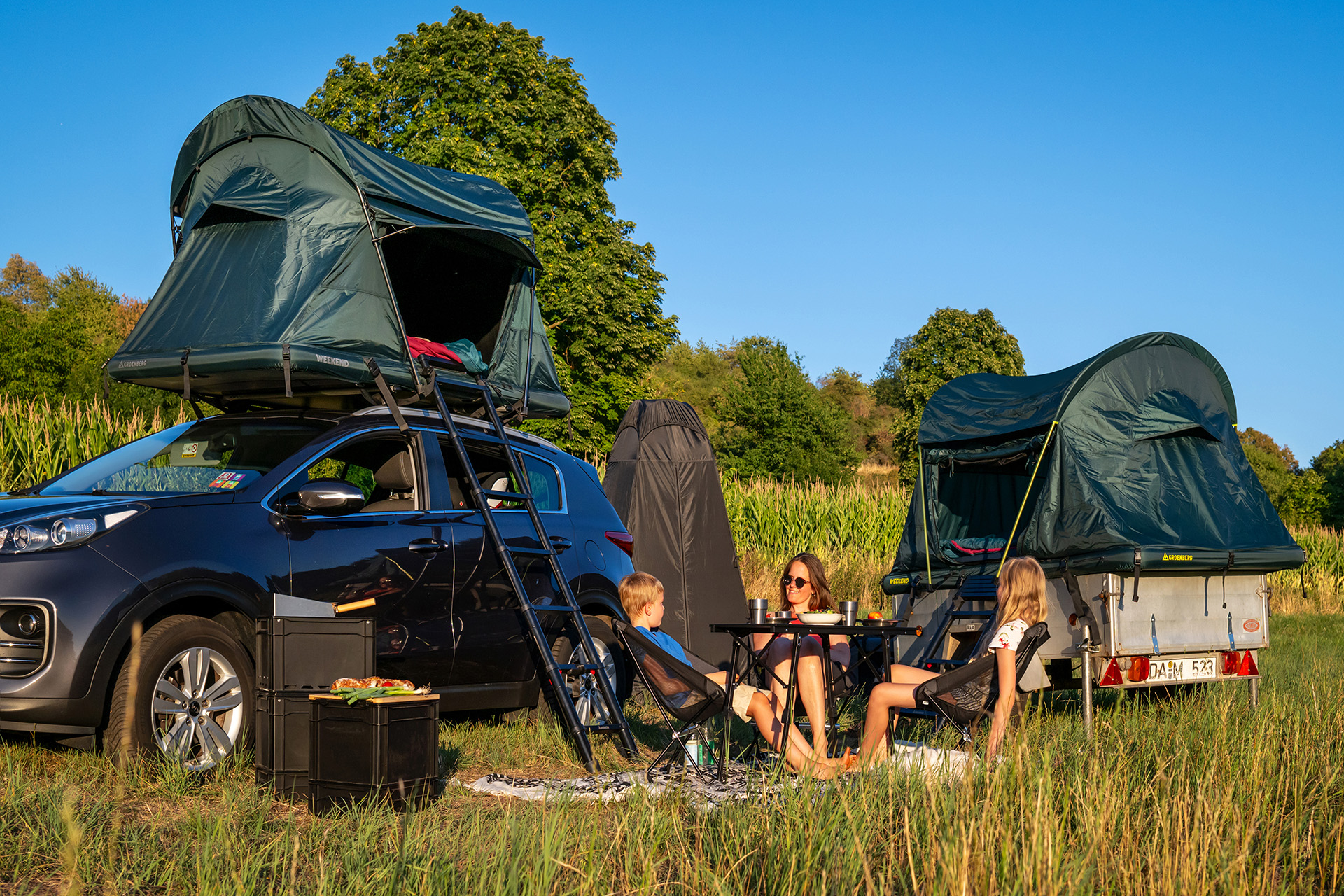
Family camping
The ideal rooftop tent for families
Which roof tent works when kids sleep with you, and how much space you need.
Read article →
Buying advice
Affordable rooftop tent
What to look for on a tight budget and which extra costs to plan for.
Read article →More magazine articles
Roof tent FAQ
Can I drive with the roof tent on the roof?
Alvar, Tjelvar and Halvor 160 are made to stay mounted while you drive: folded and securely closed. The WEEKEND, on the other hand, is always set up on the ground, lifted onto the car as one unit and taken down again before every drive. It never travels set up on the roof.
What's the difference between hard shell and soft top?
A hard shell roof tent like Alvar or Tjelvar has an aluminium shell that gas struts lift. It opens quickly and lies flat when closed. A soft top like the Halvor 160 folds out to the side with the ladder and therefore offers a larger sleeping area.
How high does a roof tent sit on the car?
Alvar and Tjelvar are 12 cm high when closed, the Halvor 160 is 28 cm when folded, each plus roof bars. The WEEKEND travels packed in the boot and doesn't change your vehicle height on the road.
Do I need special roof bars?
You need crossbars whose load capacity matches the tent weight. Our guide Roof bars for rooftop tents explains what matters. For the WEEKEND we recommend the WEEKEND Bridge for 75–85 cm bar spacing or round bars.
Can I mount a roof tent on my own?
The WEEKEND, yes: at 11.5 kg tent weight you can lift it onto the roof alone. Hardtop and soft top weigh over 70 kg, so you'll need several people for the first mounting. You'll find guides under Installation & setup.